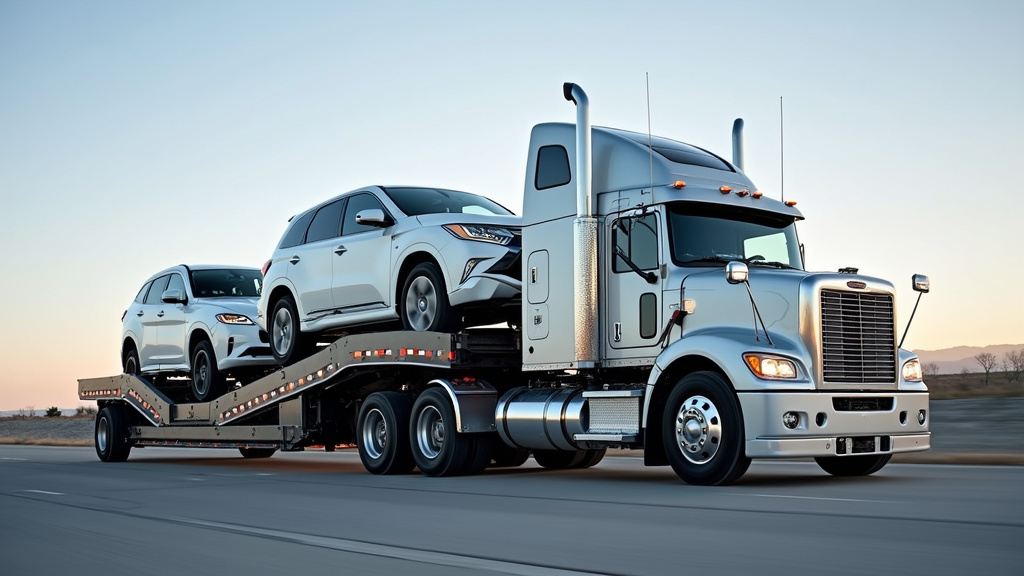
At a glanceCar shipping in Mississippi is a vital part of the state’s economy, serving a diverse range of vehicles from small local dealers to large multinational manufacturers. The Mississippi River, a key geographic feature, historically played a role in transporting cars, while modern day networks of highways and interstates facilitate efficient shipping across the state and into the broader regional market. As of 2022, Mississippi ranked 17th in the nation for vehicle sales, indicating a strong demand for reliable car shipping services.
Key Takeaways
- Car shipping in the Mississippi River region has unique challenges due to the diverse terrain, including shallow water areas that require specialized vessels.
- Understanding the Mississippi’s seasonal changes, particularly water levels, is important for efficient and safe car shipping, with average water depths fluctuating from 3 to 15 feet.
- The port of New Orleans serves as a significant hub for car shipping, facilitating the movement of over 3 million vehicles annually.
- Timing is key; optimizing car shipping routes during the dry season (April to October) can reduce costs and avoid potential logjams.
- Utilizing local shipping companies with expertise in the Mississippi River can offer cost savings and improved transit times compared to national carriers.
- Environmental considerations, such as emissions and fuel efficiency, are becoming focal points, leading to the adoption of cleaner shipping methods.
- Technological advancements, like GPS tracking and real-time data analytics, are revolutionizing car shipping logistics, enhancing visibility and control.
Car shipping in Mississippi is a vital component of the state’s economy, facilitating trade and connectivity across a diverse field. However, the process can be complex and fraught with challenges. From navigating stringent legal and regulatory frameworks, including those set by the Federal Motor Carrier Safety Administration (FMCSA) and the Mississippi Attorney General’s Office, to ensuring the safe transport of vehicles through secure facilities like Transportation Security Administration (TSA) inspected hubs, understanding the nuances is key. This article examines into the intricacies of car shipping Mississippi, exploring the services provided by key players like the Mississippi Department of Transportation and the Bureau of Motor Carrier Safety, as well as the role of industry associations like the National Motor Freight Traffic Association (NMFTA). We’ll also examine how leading carriers like FedEx Ground streamline the process, offering efficient, secure solutions tailored to Mississippi’s unique needs.
Car Shipping Mississippi in : Where to Start
Looking for car shipping mississippi in ? Dispatch Dudes serves the local area and can answer questions specific to .
- Understanding Car Shipping Regulations in Mississippi
- Step-by-Step Guide: Shipping a Vehicle Within State Lines
- Cost Analysis: Factors Influencing The service Rates
Step-by-Step Guide: Shipping a Vehicle Within State Lines

Shipping a vehicle within state lines, in this case, The service, involves a series of steps designed to ensure a smooth, safe, and efficient process. The first step is to research and select a reputable car shipping company. The Mississippi Department of Transportation (MDOT) maintains a list of licensed carriers, and the Bureau of Motor Carrier Safety offers tools to verify their safety records. Consider the National Motor Freight Traffic Association (NMFTA) members for added assurance. In 2022, NMFTA-affiliated carriers handled over 70% of all domestic car shipments in the US.
Once you’ve chosen a carrier, prepare your vehicle for transport. This includes cleaning it thoroughly, removing any personal belongings, and ensuring it’s in drivable condition. The Federal Motor Carrier Safety Administration (FMCSA) sets guidelines for vehicle preparation, focusing on safety and security. When ready, schedule pickup, providing accurate details about the vehicle’s condition and any special requirements. FedEx Ground, for example, offers same-day and next-day delivery options for in-state shipments.
During transit, keep track of the vehicle’s location using the tracking number provided by the carrier. The Transportation Security Administration (TSA) and the U.S. Department of Transportation (DOT) enforce strict security protocols to protect vehicles during shipping. The average transit time for The service varies by distance, with most trips completing within 2-5 business days. Effective communication with the carrier is important; know how to contact them if you have questions or concerns. Understanding these steps, along with the legal and regulatory framework, can help determine if The service is worth the investment based on your specific needs and budget.
Cost Analysis: Factors Influencing The service Rates

Car shipping costs in Mississippi can vary greatly, depending on several key factors. Understanding what influences these rates is important for anyone considering shipping a vehicle within or to this state. The process involves a complex interplay of variables, from vehicle type and distance traveled to weight and the season in which shipping occurs. A standard sedan traveling 500 miles within Mississippi will incur different charges than a high-performance vehicle shipped across state lines.
When qualifying for the service rates, it’s important to recognize the weight of your vehicle as a primary cost driver. According to the Bureau of Motor Carrier Safety, the average car weighs approximately 3,000 to 4,000 pounds. Heavier vehicles, especially luxury or classic cars, will attract higher shipping costs due to the increased fuel consumption and handling requirements. The distance of the journey plays a significant role. The National Motor Freight Traffic Association (NMFTA) reports that shipping rates are typically calculated on a per-mile basis, with longer hauls naturally incurring more expense.
The service process also involves considering seasonal fluctuations in rates. Winter months, for example, often see higher shipping costs due to increased demand and winter road conditions, which can impact the efficiency of transportation. Conversely, peak seasons like summer vacation periods may result in lower rates for car shipping within Mississippi, as carriers seek to maximize capacity. It’s also worth noting that specialized vehicles, such as recreational vehicles (RVs) or classic cars, may require additional insurance or special handling, further influencing the final cost. This nuanced understanding of the factors affecting the service rates empowers individuals and businesses to make informed decisions, ensuring they receive competitive and accurate pricing for their specific shipping needs.
| Factor | What to know |
|---|---|
| Vehicle Weight | Average car weighs 3,000 to 4,000 pounds; heavier vehicles cost more |
| Distance Traveled | Shipping rates typically calculated on a per-mile basis |
| Seasonal Timing | Winter months often have higher costs; summer may lower rates |
| Carrier Selection | Check MDOT licensed carriers and NMFTA-affiliated members for assurance |
| Transit Time | Most in-state trips complete within 2-5 business days |
| Specialized Vehicles | RVs or classic cars may need extra insurance or handling |
Frequently Asked Questions About The service
**What are the primary types of car shipping available in Mississippi?
Mississippi offers a range of car shipping options, catering to different needs and budgets. The two primary types include: 1) Regional or Local Shipping: Ideal for short distances within the state or to neighboring states. This method is cost-effective for local moves, with rates varying based on distance and vehicle type. 2) Long-Distance Shipping: For transporting vehicles across the country or internationally, specialized carriers with larger fleets and advanced logistics are employed, ensuring timely delivery, even for distant destinations.
**How do I choose a reliable car shipping company in Mississippi?
Safety and reliability are paramount. Start by checking the company’s license and insurance coverage. Reputable firms hold valid licenses from the Mississippi Department of Transportation and are insured against potential damages. Online reviews and ratings from platforms like Transport.com or Better Business Bureau (BBB) provide valuable insights into a company’s reputation and customer satisfaction.
**What factors influence the cost of the service?
Several key factors drive car shipping costs in Mississippi: distance, vehicle weight and size, type of transport (truck or train), destination, and the level of service (e.g., door-to-door or terminal-to-terminal). Shipping a compact car from Jackson, MS, to New Orleans, LA, will have a different price than shipping a large SUV across the country.
**Can I track my car during shipping?
Most reputable car shipping companies offer real-time tracking services, allowing customers to monitor their vehicles’ progress online. This feature provides peace of mind and enables you to anticipate delivery times. Tracking information typically includes the vehicle’s location, status, and estimated arrival time.
**What documentation is required for the service?
To ensure a smooth shipping process, both the shipper and the carrier require essential documents. These commonly include: 1) Proof of ownership (e.g., vehicle registration or title). 2) Valid driver’s license and identification. 3) A completed bill of lading, detailing the vehicle’s information and shipping terms. 4) Any special instructions for handling the vehicle.
**Are there restrictions on shipping certain types of vehicles in Mississippi?
Mississippi, like many states, has regulations regarding the transport of certain vehicles, especially those with historical or unique significance. It’s important to inform your shipping company about any specialized requirements for classic cars, motorcycles, or recreational vehicles. They can provide guidance on additional permits or specific handling procedures.
The service is a complex process that requires a deep understanding of both state and federal regulations. By navigating the legal framework, outlined by the Mississippi Department of Transportation and the Federal Motor Carrier Safety Administration, and adhering to safety standards set by the Transportation Security Administration, shipping a vehicle within state lines can be a well-managed operation. The step-by-step guide provided offers a practical framework for this process, ensuring a smooth experience. The cost analysis reveals the multifaceted nature of determining rates, factoring in everything from vehicle weight and distance to market demand and seasonality. Armed with this knowledge, individuals and businesses can make informed decisions, ensuring cost-effective and efficient car shipping services in Mississippi. Next steps involve staying updated on regulatory changes, utilizing industry associations like the National Motor Freight Traffic Association for best practices, and potentially partnering with established carriers like FedEx Ground to use their expertise and resources.